
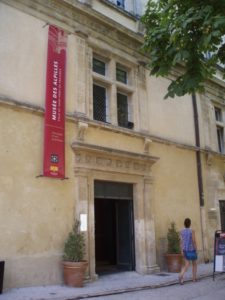
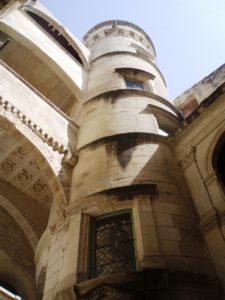
One of the best things about getting out of Paris and into the French countryside is the chance to visit small, regional museums. These jewels of art and culture spotlight aspects of France that otherwise might go unnoticed or unexplored. A case in point is the local museum in St. Rémy-de-Provence. Housed in a restored Renaissance mansion in the heart of town, the Musée des Alpilles – the Alpilles are the small ‘mountains’ located in this part of Provence – is currently hosting a special exhibition on trees in southern France as part of the Marseille Provence 2013 festival. A couple of weeks ago, I made a beeline to see “Arbres, aux Racines de la Provence” (Trees, Roots of Provence) and I was not disappointed.
In life as in art – think Van Gogh, Signac, Cézanne, Derain – trees are symbols of the Provençal countryside. Olive trees, cypresses, pines, platanes, fig trees, almond trees, and more have played essential roles in southern French life for centuries and are deeply ‘rooted’ in the local culture. The exhibition is divided into several themes demonstrating the practical, economic, scientific and artistic contributions les arbres have made to Provence. Some of the highlights include ‘trees as protection,’ ‘trees in daily life’ and ‘trees as sustenance.’
Pines and platanes (a relative of the sycamore tree) have offered shade from the intense Mediterranean sun whether on country roads or village squares. Towering cypresses have provided protection from the fierce mistral winds which roar down the Rhône Valley. Interestingly, residents in Provence never plant large evergreens next to their homes and farmhouses. In the cold but sunny Provence winters, they prefer to let the sunlight and warmth come through bare trees which lost their leaves in the fall.
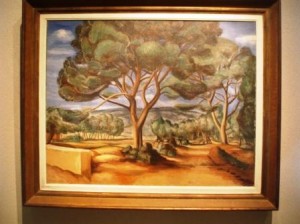
From the exhibition: Provence countryside with pines painted by André Derain, 1921-1924
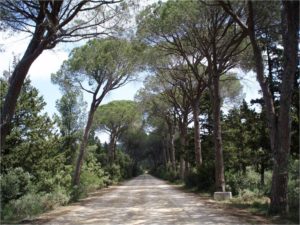
My photo of Mediterranean pines on the way to Château d’Estoublon near Les Baux
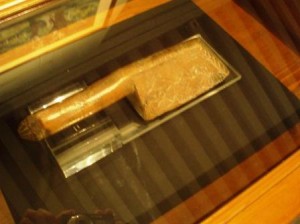
Daily life in southern France was also enriched by practical tools and implements made out of various woods such as the olive. This battoir de mariage from the exhibition was carved by a shepherd around 1850 and given as a wedding gift. Often, hearts and the names of the spouses were engraved on the pieces. Battoirs were used to clean clothes and floor coverings by beating dust and stains out of them.
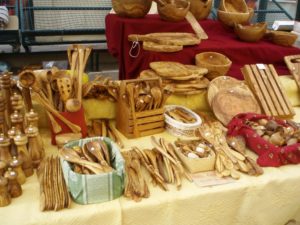
Today, olive wood is still used to make all kinds of kitchen tools as it wears well over time. Most Provençal open-air markets have several vendors who sell various culinary utensils made out of solid olive wood. When buying the handcrafted pieces, I look for beautiful patterns and features in the grain of the wood.
Many southern French trees also have played a role in agriculture and the local diet. Given Provence’s superb climate, fruit trees such as fig, apricot, peach and plum abound. Olive trees have been cultivated in the region for millennia for their oil and for eating. These days, some of the best olive oil in the world comes from southern France.
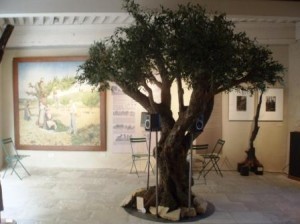
A life-sized olive tree in the main exhibition room at the Musée des Alpilles
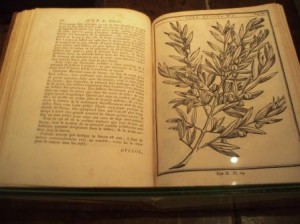
From the exhibition: A botanical treatise on the olive tree dating from the 18th century
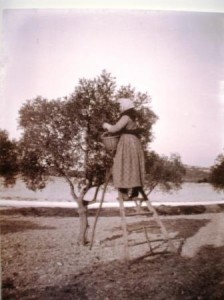
Exhibition photo of ‘La Cueillette’ (olive harvesting) in the early 1900’s
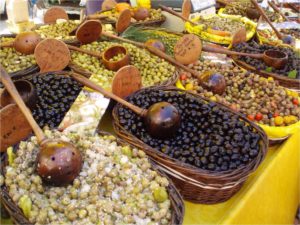
My photo of olives for sale at the weekly St. Rémy market
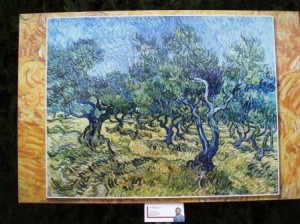
Olive trees captured Van Gogh’s artistic imagination as well. While not in the museum exhibition, below is a reproduction of one of his works featuring les oliviers which he painted during his stay at the asylum outside St. Rémy. You can still visit the asylum of St. Paul de Mausole today. Copies of Van Gogh’s works from that period in his life line the garden paths near the chapel.
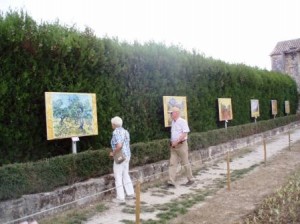
Most wonderful about this exhibition is that when you are finished, you can walk outside and experience the distinct presences of these southern French trees firsthand. From the magnificent alleys of platanes framing the roads coming into St. Rémy to the tall hedges of cypresses protecting fields of fruit trees to the silvery green of the olive orchards in the countryside, you can see, smell and touch these gorgeous wonders of nature in person. And you can taste their fruits at any Provençal restaurant. As the exhibition so aptly demonstrates, the appearance and character of these trees seem to say "Yes, this is Provence!"
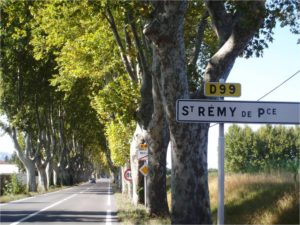
Alleys of platanes that line the roads headed toward St. Rémy
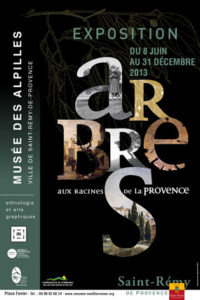
The "Arbres, aux racines de la Provence" exhibition is on view until December 31, 2013. The museum is open Tuesdays through Saturdays from 10am to 6pm until ‘French Heritage Days’ in mid-September. After that weekend, opening hours are 1pm to 5:30pm. Entrance fees are 3,10 euros for adults and 2,10 euros for students and children.
French Take-Out ~ La France à Emporter
To experience the fruits of southern France olive trees in the U.S., you might try the exquisite olive oil from this part of the world. French olive oil producer Castelas makes divine oils year after year. They export their products from Les Baux to the U.S. on a regular basis. You can find their oils at gourmet stores and upscale supermarkets across the country including at Dean & Deluca, Central Market and Olivier & Co.
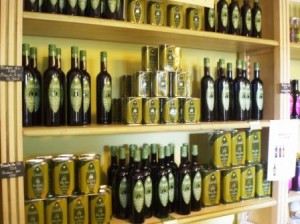
The Castelas boutique at the foot of Les Baux in Provence