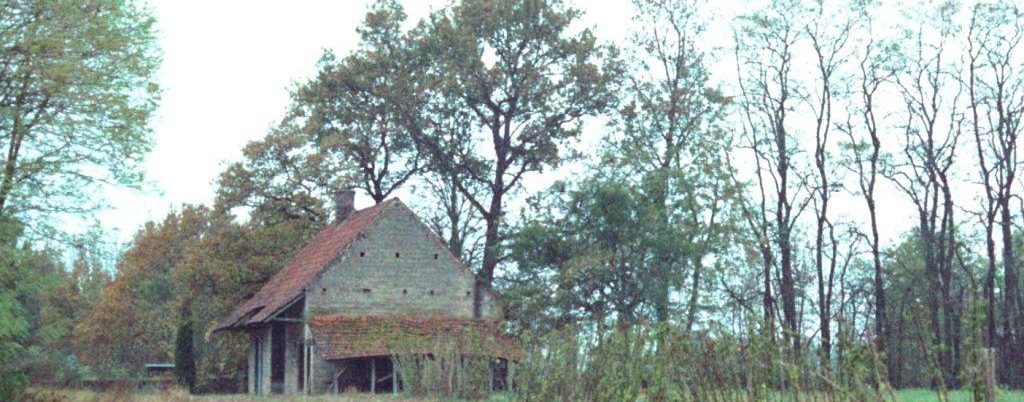
To my mind, one of the best things about France is the French countryside. These are just some of the images that come to mind: Driving down a rural lane past centuries-old farms in Normandy or Burgundy. Taking a long walk in the once-royal forest of Fontainebleau. Picking my way through moss-laden trees in the Dordogne woods. Smelling the pines and sea air in the hinterlands of the Médoc or in the hills behind the Côte d’Azur. Getting stopped by a rowdy herd of goats on a remote road in Corsica or Provence. Biking around the scenic Ile de Ré. Tracing the outline of bare trees against open fields in winter. Seeing thousands of yellow sunflowers swaying in the wind. Watching the sun slowly set over rolling green vineyards. The possibilities of French landscapes are almost endless – and so easily obtainable. All you have to do is get out of the city and voilà, the French countryside is there.
Thinking about the non-city experience in France reminds me of the wonderful French expression ‘la France profonde’ – deep France. As one of my French friends puts it, “la France profonde signifie la France des campagnes. Sans urbanisation et progrès, et ancrée dans les traditions.” In other words, deep France is the French countryside untouched by urbanization or development and anchored in tradition. In this view, French rural life is simple and idyllic in a positive sense. To another French friend, however, la France profonde is rather pejorative. It reminds her of a remote backwater, its inhabitants out of touch with modern life. Perhaps the American expression the ‘deep South’ is similar, both positive and negative depending on whom you talk to.
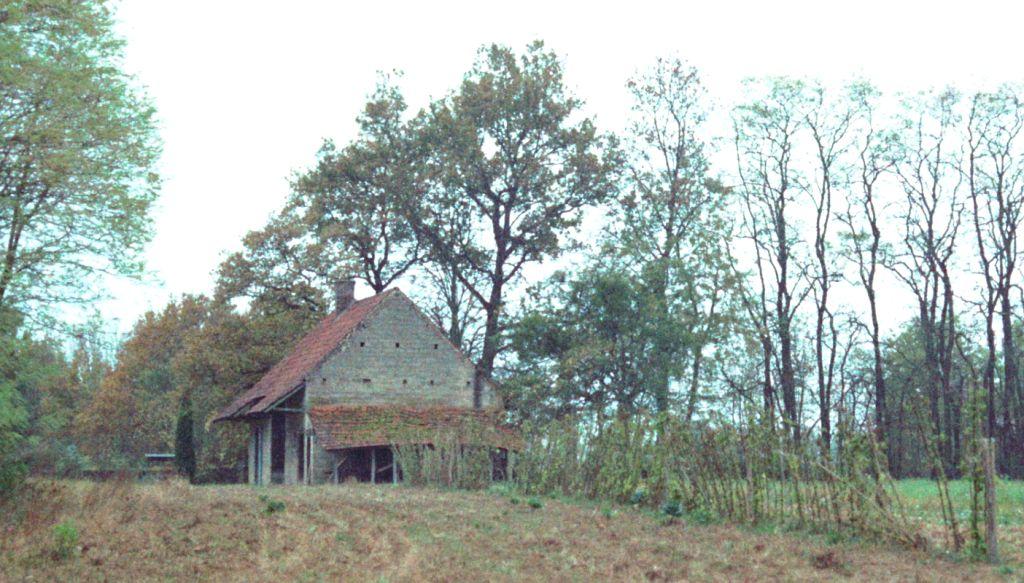
Recently, I had a very deep France encounter in its best sense. You know when you’re really in the mood for something and then it happens that the more than the perfect thing comes along to satisfy that wish? For me, it was just that with the extraordinary French documentary film “Le Cousin Jules.” Originally released in 1973 and despite receiving critical acclaim, Cousin Jules languished in relative film obscurity until it was digitized and re-released this past year.
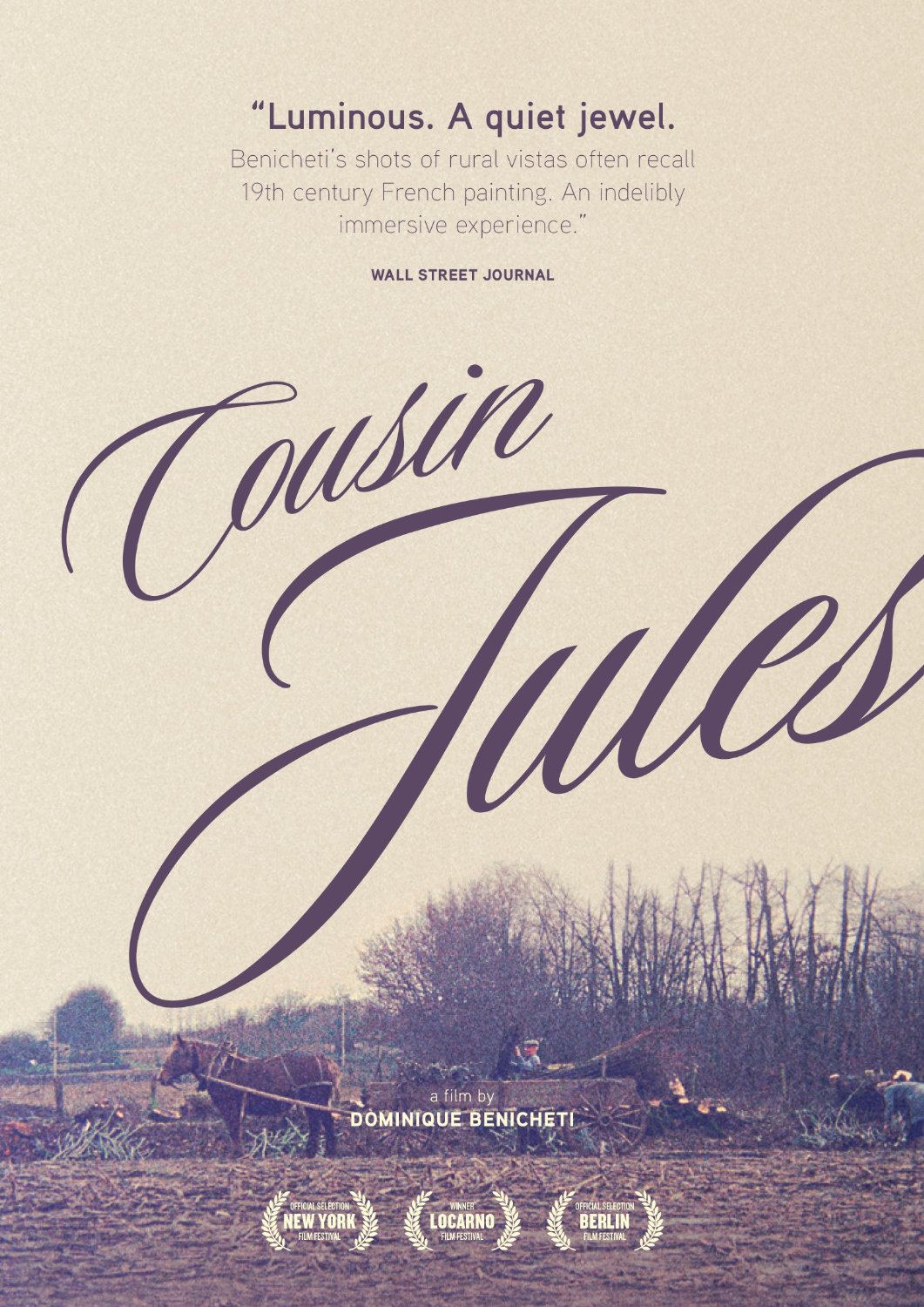
Watching Le Cousin Jules is to step back in time to real, deep France – and I was totally mesmerized. Filming over a five-year period starting in the late 60’s, director Dominique Benicheti records the rhythms and rituals of the lives of his cousin Jules Guiteaux and his wife Félicie on their farm in Burgundy. Each day, Jules dons wooden clogs and leather apron to begin work in his shop, while Félicie tends the vegetable garden and prepares their meals.
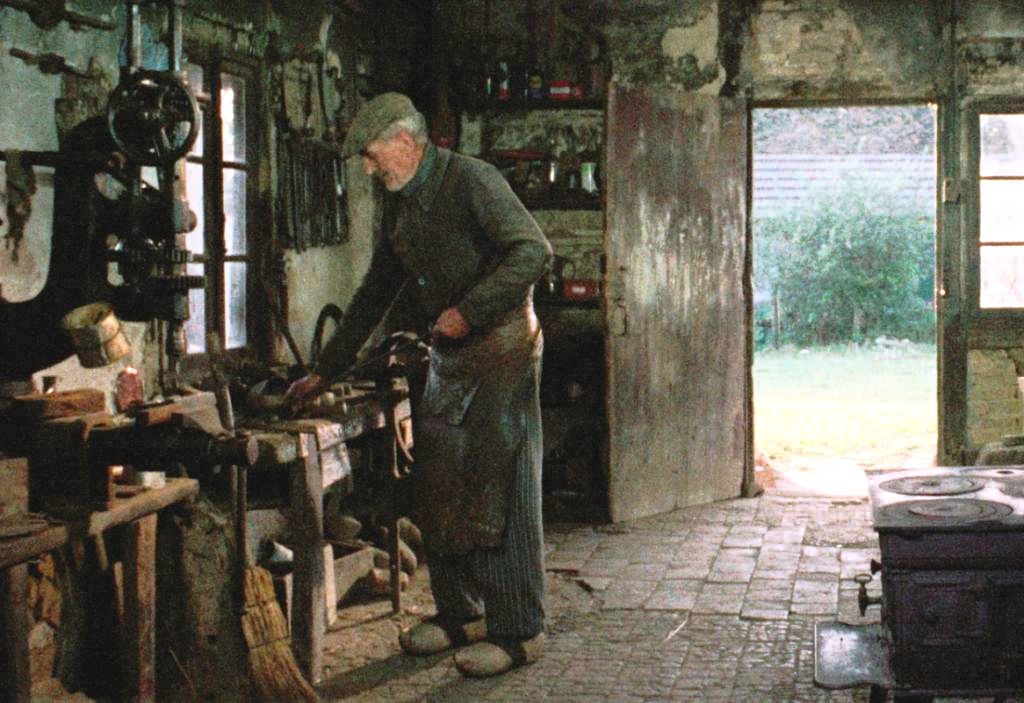
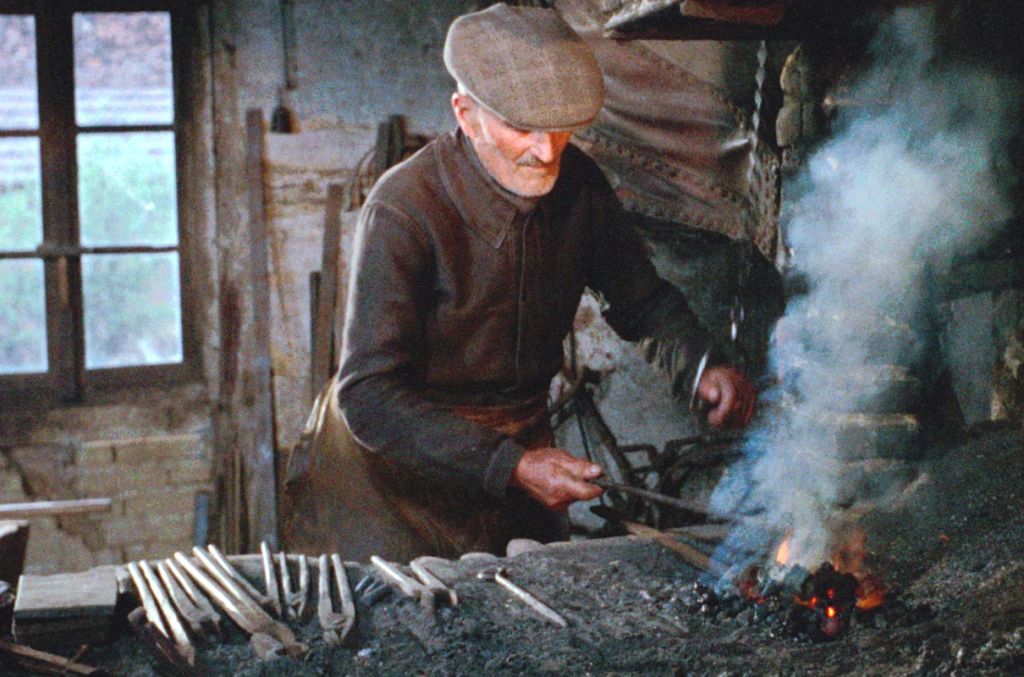
From the music of Jules’ hammer hitting the anvil to the sweetness of Félicie’s gnarled hands peeling potatoes to their simple lunch taken together in near silence, every scene is rich in the details of daily life. My favorite scene is when Félicie joins her husband in his blacksmith shop after lunch and carefully prepares their coffee on the wood-burning stove. You can tell it’s something that she’s done hundreds of times throughout their lives but somehow the action manages to be fresh and alive in that moment.
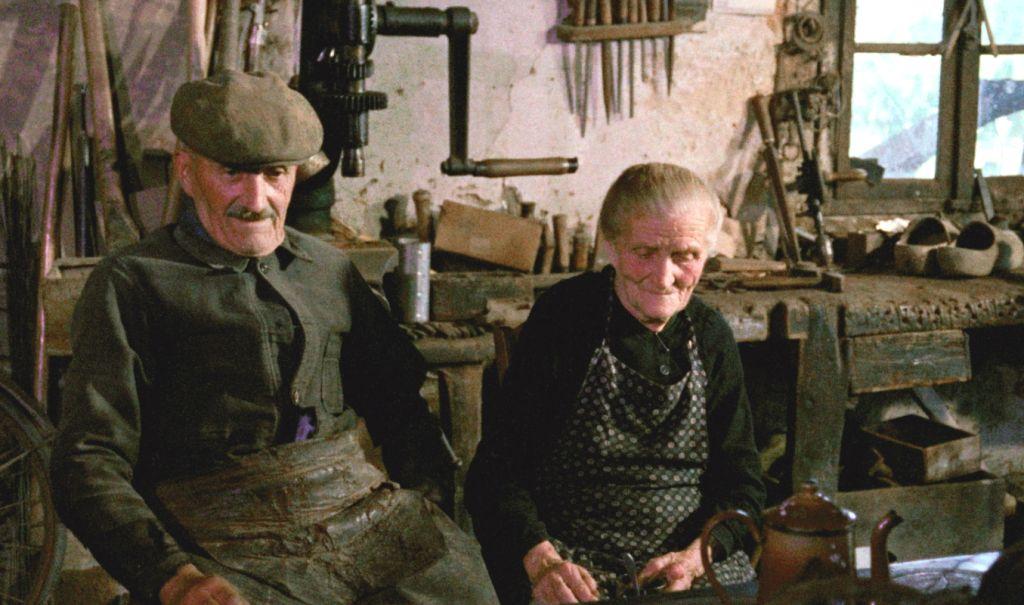
Before sitting down to watch this jewel of French cinema, however, you have to know that the film really is a documentary. There is no storyline and almost no dialogue. The drama is simply everyday life in the French countryside. (There is a big shift midway through the film, however. I won’t give it away here, and try not to read about it on the internet before seeing the movie!) To enjoy the film is to completely slow down and take in the details, the sounds and the rhythms of a time that no longer exists in France or elsewhere for that matter. But Benicheti makes the watching very worthwhile – he filmed Le Cousin Jules in lush CinemaScope and recorded it in stereo for a ravishing visual and auditory experience.
So if you’re game for a completely different type of film, pick up the Cousin Jules DVD at your local art flick rental store or buy a copy for your French film library. Then sit back with a nice glass of French wine and let yourself be immersed in la France profonde. Warmly poetic but unsentimental, Le Cousin Jules palpably captures the beauty of rural France, the simplicity of daily peasant life, and the nearly wordless intimacy of a lifelong relationship.
French Take-Out ~ La France à emporter
To enjoy more French film viewing in the U.S., be sure and check out the swell website frenchflicks.com. Every week, French Flicks lists all the French movies being shown in America including special film festivals and events. For an added bonus, it also cross-references French film offerings on Netflix and TV5 Monde.